


Can't Afford Your Mortgage Anymore? Your Options as a Maryland Homeowner
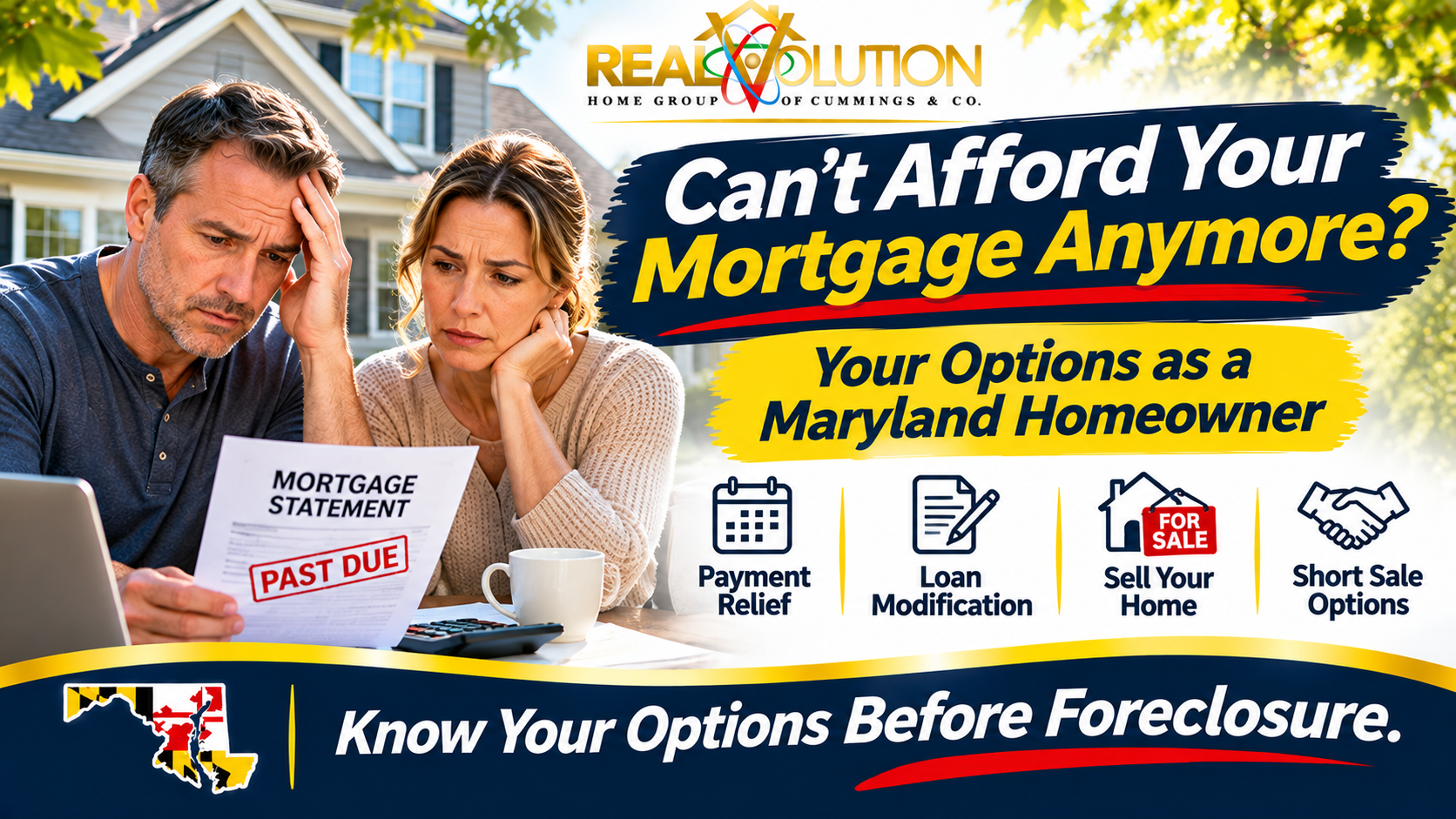
If you can no longer afford your mortgage payments in Maryland, you have several options, even if you're already behind. Depending on your circumstances, you may qualify for mortgage assistance, a repayment plan, loan modification, or temporary payment relief. If keeping the house isn't financially realistic, selling it or pursuing a short sale may be possible.
The important thing is to explore those options before the situation becomes more difficult.
What Should You Do If You Can't Make Your Mortgage Payment?
Start by contacting your mortgage servicer. Explain what's changed financially and ask what assistance programs may be available.
Depending on your loan and circumstances, those options could include:
-
Forbearance: Temporarily reducing or pausing payments under an approved arrangement. Missed amounts generally still need to be repaid.
-
Repayment plan: Spreading overdue payments across an agreed period while continuing regular mortgage payments.
-
Loan modification: Changing certain loan terms to make payments more manageable, if approved.
-
Housing counseling: Working with a HUD-approved housing counselor to understand your options and communicate with your servicer.
You don't necessarily have to wait until you've missed several payments to ask for help.
If your financial hardship is temporary, keeping the home may be realistic. But if your income has permanently changed or the payment is no longer sustainable, it's worth considering whether selling would put you in a better financial position.
Can You Sell Your Maryland Home If You're Behind on Payments?
Yes. Being behind on your mortgage doesn't automatically prevent you from selling your house.
If your home is worth more than the mortgage payoff and selling expenses, a traditional sale may allow you to pay off the loan, address outstanding amounts, and potentially walk away with equity.
If you owe more than the property is worth, a short sale may be an alternative. A short sale requires the mortgage lender's approval to accept less than the amount owed.
However, lender approval isn't guaranteed, and listing the property doesn't automatically stop foreclosure proceedings.
Before deciding, I recommend comparing your home's realistic market value with the current mortgage payoff, estimated selling costs, and any other liens against the property.
That gives you a clearer picture of what's financially possible.
What If Foreclosure Has Already Started?
Don't assume it's too late to explore your options.
Federal mortgage servicing rules generally restrict the first foreclosure filing until a borrower is more than 120 days delinquent, subject to exceptions. Maryland also has specific notice and foreclosure procedures.
If you've received a Notice of Intent to Foreclose or court paperwork, pay close attention to the deadlines.
A homeowner may still be able to pursue mortgage assistance or sell before a foreclosure sale, but the available time and options depend on the circumstances.
An experienced Maryland foreclosure attorney or housing counselor can help you understand the legal and mortgage-related issues.
Helpful Maryland Mortgage Assistance Resources
The Maryland Department of Housing and Community Development provides foreclosure prevention information and access to housing counseling resources.
The Consumer Financial Protection Bureau explains mortgage assistance options, borrower protections, and steps to take when you're struggling with payments.
These are good places to start if you're trying to keep your home.
How I Help Maryland Homeowners Facing Financial Hardship
I'm Dan McDevitt with Cummings & Company Realtors and RealVolution Homes Group. Since 2004, I've helped Maryland homeowners navigate difficult real estate situations, including short sales, pre-foreclosure properties, and homes where the mortgage balance exceeds the property's market value.
My role is to help you understand the real estate side of your options. That starts with determining what your home could realistically sell for, reviewing potential selling costs, and explaining whether a traditional sale or lender-approved short sale might make sense.
If you're struggling with mortgage payments and considering selling, visit my Maryland Divorce & Financial Hardship Home Sales page to learn more about your options.